
Fort Collins vs. Loveland: Where To Buy on a $500K Budget
January 15, 2026
January 15, 2026
Trying to decide between Fort Collins and Loveland with a $500,000 budget? You are not alone. Both cities offer strong value, but they deliver it in different ways. The right choice depends on what you want most day to day, from walkability and commute time to space, yard, and home age. In this guide, you will see what your budget typically buys in each city, how neighborhoods differ, and the trade‑offs to weigh so you can move forward with confidence. Let’s dive in.
At around $500,000, you will notice a clear pattern. In Fort Collins, you usually pay for location and access to amenities. In Loveland, you tend to get more interior space and yard for the money.
Fort Collins highlights
Loveland highlights
Both cities have neighborhoods where $500,000 is competitive, but inventory and pace can differ. Fort Collins starter homes in central locations often move faster. Loveland frequently has more new‑subdivision options at this price point.
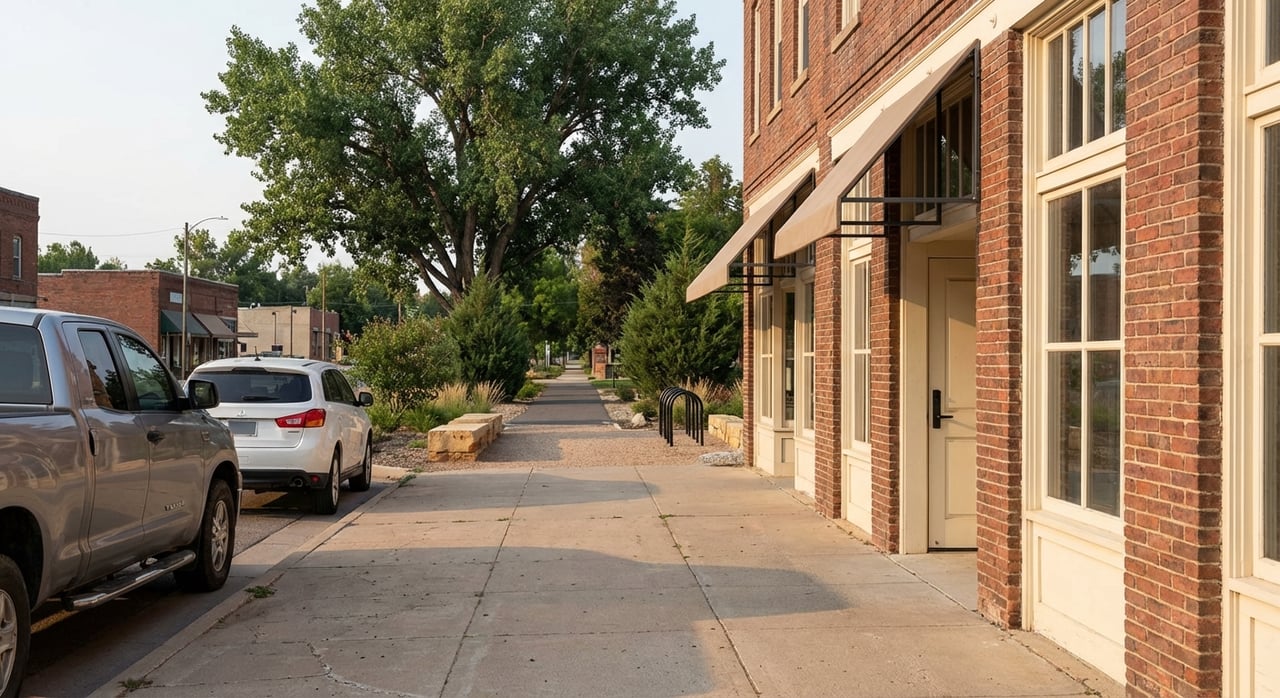
If you want to be near restaurants, breweries, and events, you can focus on Old Town fringe and Midtown. At this price, many buyers look at condos or townhomes with modern finishes and modest outdoor space. Smaller detached homes do come up, but lots are compact and homes are often older. The trade‑off favors walkability and bike access over square footage.
Along South College and nearby neighborhoods, you will see older ranch and split‑level homes that fit a $500,000 budget. These areas offer easy access to shops and services and often have established landscaping. Lots are usually smaller than suburban new builds. Some properties have low or no HOA, while attached product tends to carry moderate monthly dues.
If you are open to being farther from Old Town, you will see more recent townhomes and modest single‑family homes at the upper end of this budget. Newer builds can bring more efficient systems and modern layouts, but they may sit farther from the central nightlife and CSU. For many buyers, the trade‑off is newer construction and a functional floor plan instead of a larger lot near the core.
Close to downtown Loveland, your budget can reach historic homes with character and, at times, larger interior space than similar‑priced central Fort Collins options. You can enjoy galleries, restaurants, and community events. Yards can be larger, but age varies, so plan for a careful inspection of systems and roofs.
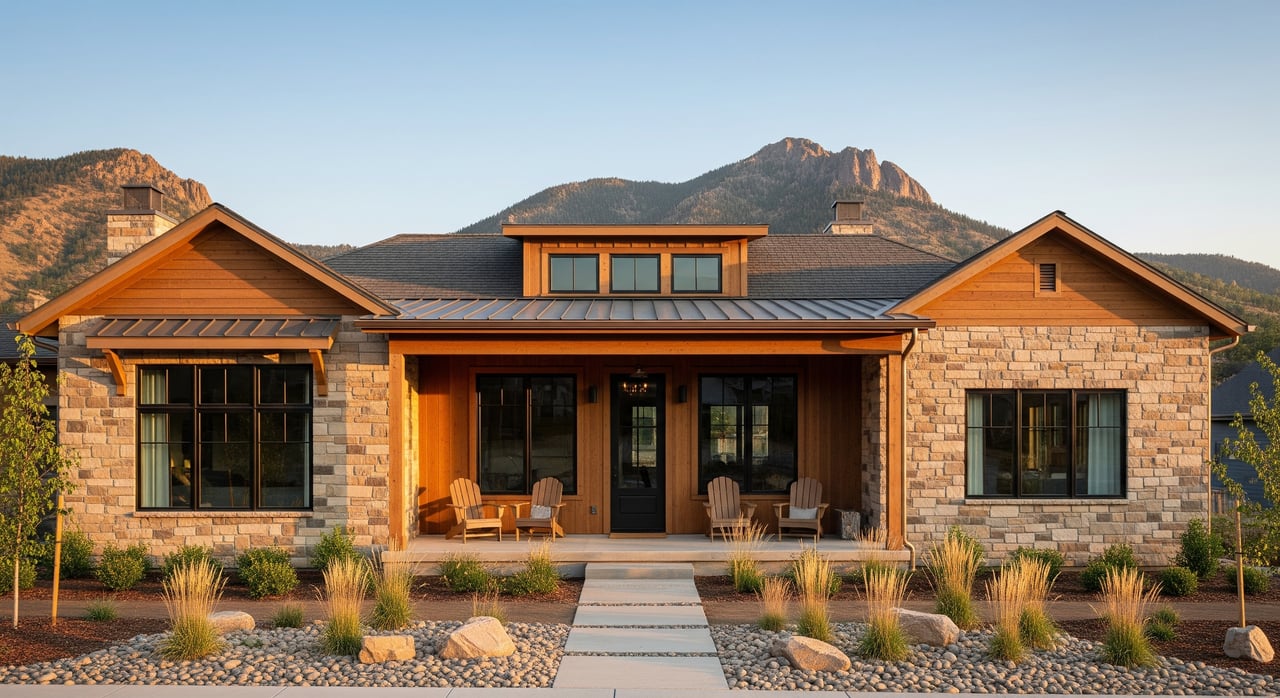
Across many newer Loveland subdivisions, $500,000 often gets you a larger single‑family home with 3 to 4 bedrooms and attached garage. Community designs typically include pocket parks and trails. HOAs are common and fees vary, but single‑family neighborhoods often run in a lower monthly range compared to condo communities. You get more house and yard per dollar, which appeals if you want space or plan for multi‑purpose rooms.
If you push to the edges of town, you may find single‑story newer homes on larger parcels within this budget. The trade‑off is more driving for shopping and services. For buyers who prioritize privacy, garage space, or outdoor hobbies, these areas can offer strong value.
Fort Collins has a strong local employment base including a major university, healthcare, and tech or manufacturing. If your job is in Fort Collins, living closer in can mean a shorter daily commute and access to the Transfort bus system and the MAX bus rapid transit along the Mason Corridor.
Loveland has a smaller local base. Many residents commute to Fort Collins, Greeley, or the Denver metro. Access to I‑25 and US‑34 is a plus for regional commuting. For Denver or Boulder, both cities are in the northern Front Range, but peak hour drives can be long. Proximity to I‑25 and hybrid work options matter.
Fort Collins stands out for Old Town walkability, a robust brewery scene, the Poudre Trail, parks, and events tied to CSU. Loveland offers a lively downtown with restaurants and galleries, notable public art like the Benson Sculpture Garden, and quick access west toward the foothills and Big Thompson Canyon. Both cities provide strong outdoor access, and Horsetooth Reservoir near Fort Collins is a regional favorite.
Most of Fort Collins is served by Poudre School District. Much of Loveland is served by Thompson School District, with some fringe areas in other districts. School assignment and performance vary by address. Always review district boundary maps and state report cards for the specific properties you are considering, since boundaries can change.
Plan for ongoing costs. Condo and townhome HOA fees often range about 150 to 400 plus dollars per month, depending on amenities and services. Single‑family HOAs in newer subdivisions can be lower, commonly about 20 to 150 plus dollars per month. Larger yards can mean more landscaping and irrigation costs. Utility rates and providers differ by city and location, so review current schedules for the specific address.
Colorado property taxes are based on assessed value and local mill levies. Your tax bill comes from multiplying the taxable value by the combined mill levy for your property’s districts. Because levies vary, use Larimer County tools to estimate taxes for a specific address. This is more accurate than applying a single percentage.
Both cities have areas with flood corridors and localized risk, including the Poudre River and Big Thompson. Wildfire exposure can increase near the foothills. Insurance costs can change based on these risks, and flood insurance is a separate policy. As part of due diligence, check FEMA flood maps, county or city overlays, and review seller disclosures. Your inspection should look for past water events, foundation movement, and roof condition.
Fort Collins tends to hold value well due to its university anchor, job growth, and highly desired central neighborhoods. Loveland appeals to buyers seeking more house and yard at a given budget, with steady demand for newer construction in well‑located subdivisions. City planning approaches differ, with Fort Collins often focusing on infill and growth management, while Loveland has historically allowed more greenfield subdivision growth. Future transportation and development projects can affect values, so keep an eye on city planning updates.
If you value walkability, nightlife, and a short commute to CSU or central Fort Collins employers, you may prefer Fort Collins, even if it means a smaller home or a townhome. If you want more space, a larger yard, and newer construction, Loveland often delivers better value per square foot, especially for 3 to 4 bedroom homes.
Many buyers land somewhere in the middle. For example, hybrid workers may choose a Loveland subdivision near I‑25 for regional access, or an eastern or southern Fort Collins neighborhood that balances commute time and price. Test your drive during peak hours, and compare how each location fits your daily routine.
When you are ready, get side‑by‑side examples that match your budget and lifestyle. You can see current inventory, square footage, lot sizes, HOA details, and days on market for both cities. I can set up a custom search, schedule tours, coordinate inspectors and lenders, and help you make a strong offer with confidence across Northern Colorado. If you want a clear plan for buying on a $500,000 budget, reach out to Manuel Puente.
Stay up to date on the latest real estate trends.


Buying or selling a home is a big step—one you shouldn’t take alone. I combine local expertise, clear communication, and a results-driven approach to help you achieve your real estate goals. Let’s move forward together and make your next chapter a success.