Guide To Single-Family Rental Investing In Greeley
April 2, 2026
April 2, 2026
If you are thinking about buying a single-family rental in Greeley, it helps to know this upfront: a property can look promising on paper and still miss your goals once real expenses show up. You want a rental that makes sense not just at the purchase price, but after taxes, utilities, repairs, and vacancy are all accounted for. This guide will walk you through what the Greeley market looks like, what property types stand out, and how to underwrite a deal more carefully before you buy. Let’s dive in.
Greeley is a growing Northern Colorado market with a solid population base and a housing mix that matters for rental investors. According to U.S. Census QuickFacts for Greeley, the city’s 2024 population was 114,363, up 5.1% since 2020. The same source reports an owner-occupied housing rate of 60.9%, median household income of $69,881, and median gross rent of $1,388.
That same Census snapshot also says 83.4% of residents lived in the same home one year earlier. While no single stat can predict rental performance, that figure points to a market that appears more stable than highly transient. For an investor, that can be a useful signal when you are thinking about occupancy and turnover.
The local job base also supports a broader demand picture. The Bureau of Labor Statistics Greeley MSA report showed 4.3% unemployment in December 2025, with employment concentrated in trade, transportation, and utilities; education and health services; and government. That mix matters because rental demand is not tied to just one major employer.
A citywide snapshot can help you set expectations, even though it should never replace property-level underwriting. On Zillow’s Greeley market page, the February 28, 2026 snapshot showed a typical home value of $493,834, a median sale price of $484,333, a median list price of $504,333, and an average rent estimate of $1,714.
Using the median sale price and average rent, Greeley’s rough gross annual rent yield lands near 4.25% before operating costs. Using the median list price, that figure is closer to 4.1%. Those numbers are helpful as a market guide, but they are not the same thing as cash flow.
It also helps to know that different data sources measure different things. Census QuickFacts reports a 2020 to 2024 median gross rent of $1,388 and a median owner-occupied home value of $402,500, which also implies a gross figure around 4.1%. Because the methodology and timeframes differ, your safest move is to use citywide numbers as directional only and then confirm everything with current comps for the exact property you are considering.
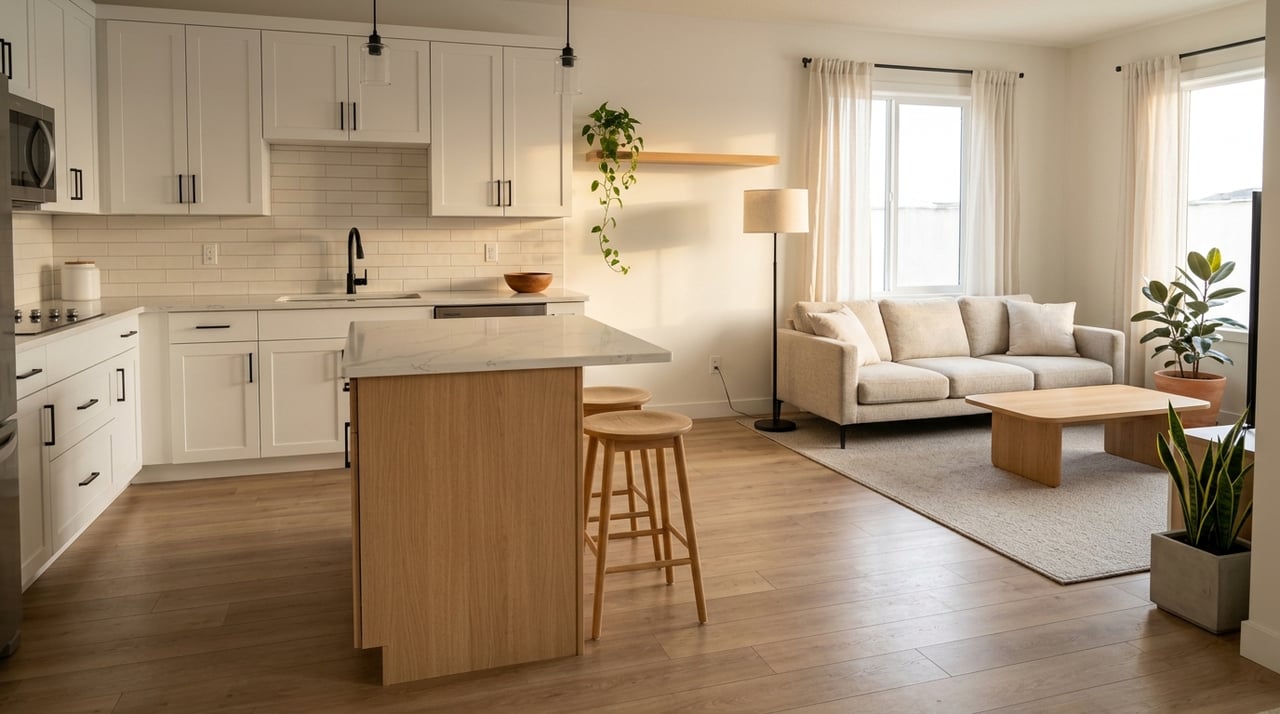
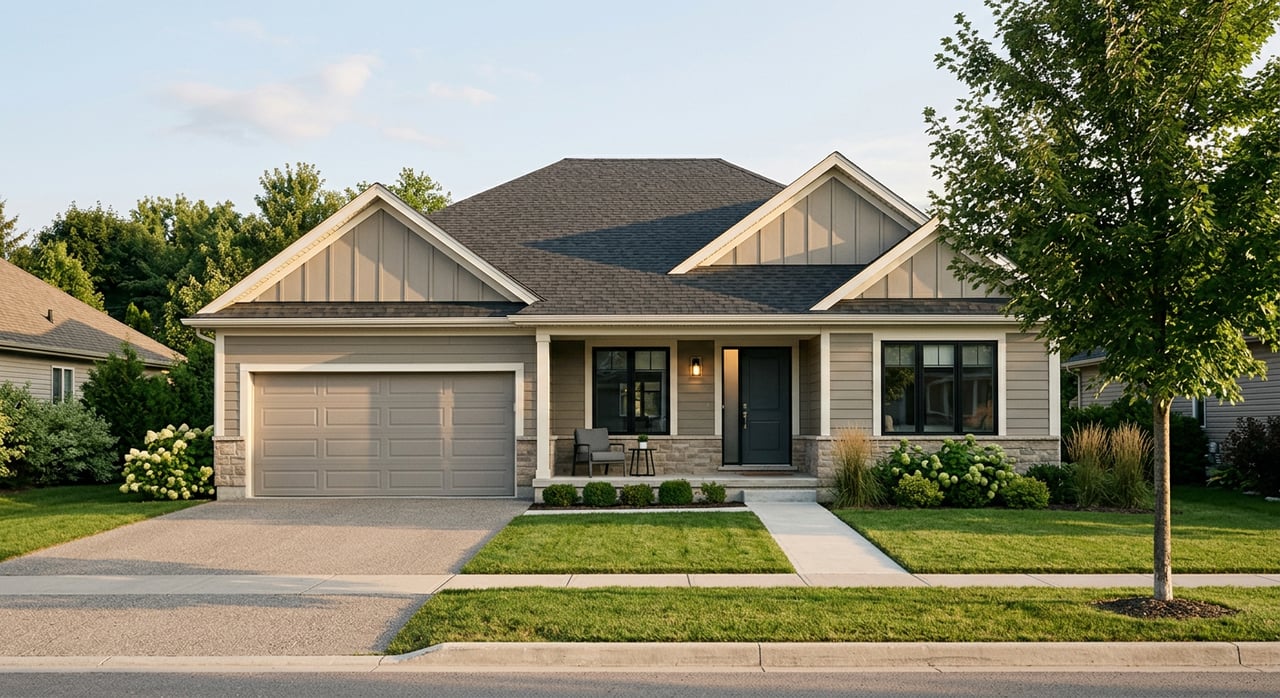
If you are focused on single-family rentals, Greeley’s housing stock is worth a close look. The City of Greeley 2025-2029 consolidated plan shows that 57.7% of housing units were 1-unit detached, while 5.9% were 1-unit attached. Other categories included 9.4% in 2 to 4 units, 12.6% in 5 to 19 units, 8.2% in 20 or more units, and 6.1% in mobile homes or other nontraditional housing.
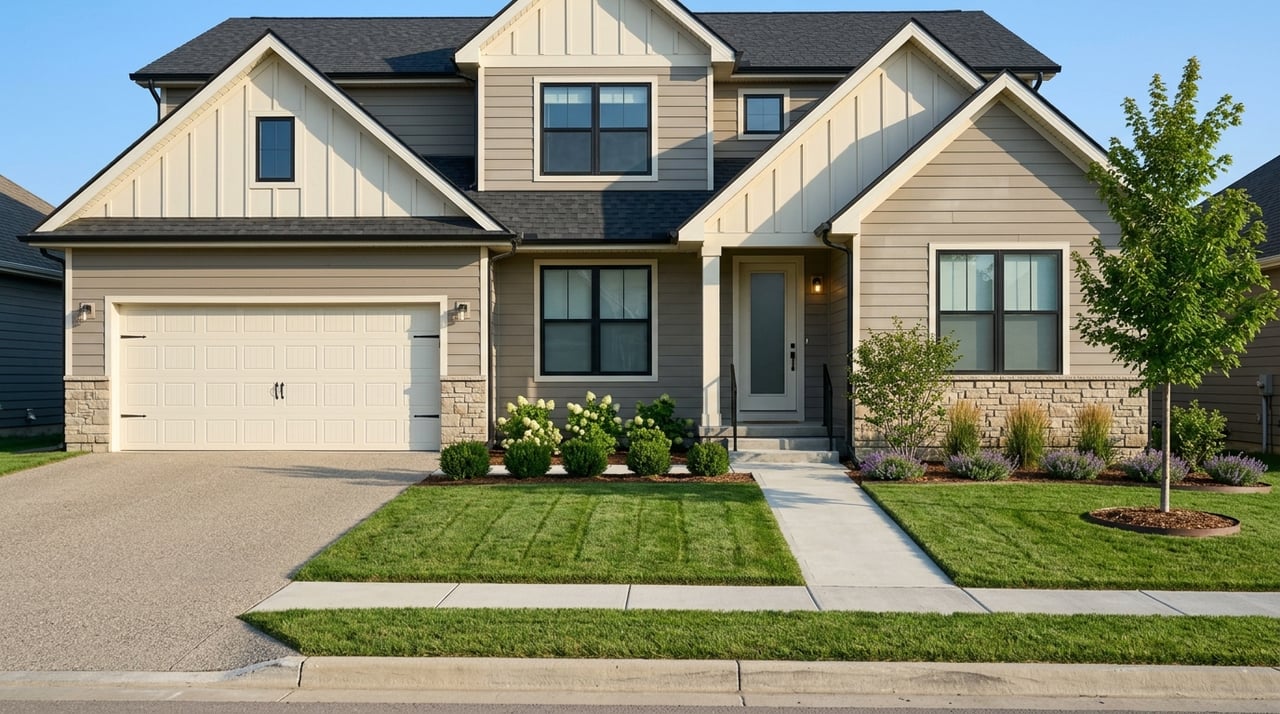
That tells you detached homes are the dominant housing type in the city. For many investors, that makes the most relevant local product a detached house, often with 2 to 4 bedrooms, a yard, and off-street parking. Attached homes and small multifamily properties are part of the market, but detached homes remain the clearest fit for a single-family rental strategy.
The same city document also notes that 38% of owner-occupied homes had three or more bedrooms, compared with 25% of renter-occupied units. That does not guarantee demand for any specific layout, but it does support the idea that bedroom count and livability features should be part of your screening criteria when comparing opportunities.
One of the biggest mistakes rental buyers make is stopping at gross rent. In Greeley, citywide numbers suggest rents are meaningful, but not so high that every expense can be absorbed easily. That means expense control matters a lot.
Zillow’s market snapshot also showed a median sale-to-list ratio of 0.996 and median days to pending of 60. For you, that is a reminder to underwrite conservatively. It is smart to avoid assuming instant lease-up, quick resale, or rapid appreciation.
A better question is simple: Will the achievable rent still work after vacancy, reserves, and operating costs? If the answer is only yes under perfect conditions, the deal may be thinner than it first appears.
The biggest gap between a decent-looking rental and a strong one is usually the expense side. According to the IRS guidance on rental expense categories, common costs can include taxes, interest, repairs, insurance, management fees, agents’ commissions, and depreciation. The IRS also notes that repairs are generally deductible, while improvements usually must be capitalized.
That distinction matters because a property with deferred maintenance can affect your budget in more than one way. A small repair may hit differently than a larger upgrade that must be treated as an improvement. Either way, it reinforces the same point: gross rent and net cash flow are not the same number.
Property taxes deserve extra attention because they are not one-size-fits-all. The Colorado Department of Local Affairs property tax explanation says tax bills are based on actual value, assessment rate, and mill levy. For property tax year 2025, residential property is assessed at 6.25% for local governments and 7.05% for school district levies.
In practice, you should underwrite using the actual parcel tax bill, not a rough guess. Mill levies vary by taxing district, so two homes with similar prices can carry different tax burdens. That can materially affect your monthly numbers.
Utilities can also be more important than buyers expect. The City of Greeley’s 2025 water utility rate update states that average monthly water, wastewater, and stormwater bills increased by $15.02 beginning January 1, 2025. The city also bills monthly using fixed service charges plus usage charges and uses a water-budget rate structure for single-family residential accounts.
If you plan to cover any utilities as the owner, those costs need to show up clearly in your underwriting. Even if the tenant pays utilities, you still want to understand the property’s water setup and any potential service-line issues before closing.
The City of Greeley water meter information says all single-family houses have a water meter and that the property owner is responsible for the service line from the curb stop downstream from the meter into the house. That makes service lines, irrigation systems, and sprinkler components worth a closer inspection.
A rental property is not just a financial asset. It is also a property that has to comply with local rules. The City of Greeley Building Inspection division says permits are required for construction, enlargement, alteration, repair, demolition, and changes in occupancy.
That matters if you plan to remodel, convert space, or change how the property is used. The city’s Code Compliance office also enforces zoning, health and safety, sanitation, parking, and property-condition rules. In addition, the city publishes a Rental Housing Guide for landlords and tenants as a local reference point for rental housing rules and regulations.
Before you close, it is wise to confirm that your planned use matches the property’s legal status and any applicable restrictions. That step can save you time, money, and frustration later.
If you are evaluating a single-family rental in Greeley, this checklist can help you stay focused on the issues that most often shape performance:
Greeley can make sense for single-family rental investors who want a market with a growing population, a broad employment base, and a housing stock where detached homes are common. At the same time, the citywide rent-to-price picture suggests you need to buy carefully and manage expenses with discipline. This is not a market where loose assumptions are likely to save a deal.
A smart approach is to start with live comps, pressure-test taxes and utilities, reserve for repairs and vacancy, and confirm legal use before closing. If you do that, you can make more confident decisions and avoid relying too heavily on broad market averages.
If you want help finding a single-family rental opportunity in Greeley or comparing investment options across Northern Colorado, Manuel Puente can help you look at properties with a practical, local perspective.
Stay up to date on the latest real estate trends.
Buying or selling a home is a big step—one you shouldn’t take alone. I combine local expertise, clear communication, and a results-driven approach to help you achieve your real estate goals. Let’s move forward together and make your next chapter a success.