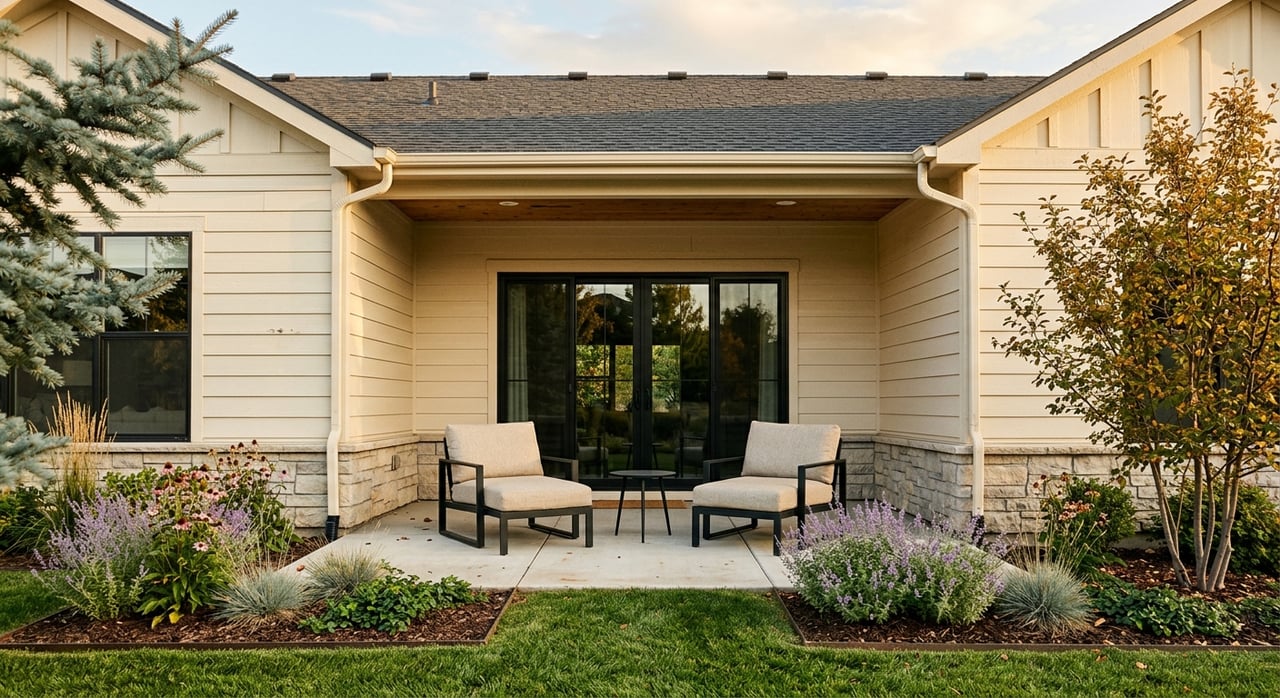
Selling In Longmont To Move Up In Northern Colorado
July 2, 2026
Wondering how to sell your Longmont home and still make a smooth move up somewhere else in Northern Colorado? You are not alone. Many homeowners want more space, a different layout, or a better fit for their next chapter, but the hard part is lining up the sale, the purchase, and the move without creating extra stress. The good news is that with the right plan, you can make smart decisions on timing, pricing, and next steps. Let’s dive in.
Selling in Longmont to buy your next home is not just about getting a good offer. It is also about understanding how your current sale lines up with the market you are buying into.
In May 2026, Longmont had a median sale price of $554,668, with homes taking about 41 days on market on average. Homes were getting about two offers on average and selling for about 99.1% of list price. That tells you Longmont is still somewhat competitive, but it is not the kind of market where you can count on automatic bidding wars.
Colorado’s statewide May 2026 snapshot also points to a more balanced market. The state showed 4.3 months of supply, 56 average days on market, and 98.8% of list price received. For you, that means pricing, prep, and timing matter more than they did in a hotter seller market.
One of the biggest mistakes move-up sellers make is assuming every Northern Colorado market is moving the same way. They are not.
Nearby markets in May 2026 showed different price points and timelines. Loveland was about $499,701 with 49 days on market, Fort Collins about $559,665 with 51 days, Greeley about $424,746 with 58 days, Johnstown about $484,180 with 78 days, and Windsor about $579,653 with 71 days. That spread matters because your next move may take you into a market that is faster, slower, more expensive, or simply less predictable than Longmont.
If you are moving up, your strategy should match both sides of the transaction. You are not just selling a home in Longmont. You are also trying to buy the right home in the right place at the right time.
For most homeowners, selling first is the cleaner path. It gives you a clearer picture of your proceeds and helps you shop for your next home with a real budget instead of a guess.
Consumer guidance on this topic says sellers normally try to sell their current home before buying another one. That approach reduces the risk of carrying two housing payments at once, and it can help you avoid stretching too far on your next purchase.
Still, sell first is not the only option. If the right home comes up before your current home is sold, there are other ways to bridge the gap.
This is usually the most straightforward choice. You list your current home, negotiate your sale, and then shop for your next home knowing how much equity you have to work with.
The tradeoff is timing. You may need temporary housing, a flexible possession arrangement, or a backup plan if your next purchase does not line up neatly with your closing date.
A home-sale contingency gives you time to sell your current home before closing on the next one. A home-close contingency is slightly different. It gives you time to close the sale of your current home before you buy the next property.
These tools can protect you, but they may also make your offer less attractive in a competitive situation. If you are shopping in a market where sellers have choices, a contingent offer may face more resistance.
A bridge loan is a temporary loan, typically 12 months or less, that can help you buy a new home while you are still waiting to sell your current one. A HELOC or home equity loan can also let you tap equity from your current home.
These options can create flexibility, but they come with risk. They add another layer of borrowing, and with Freddie Mac reporting an average 30-year fixed rate of 6.49% as of June 25, 2026, your monthly payment picture may look very different than it did a few years ago. Before you commit to a move-up target price, it makes sense to get a fresh payment estimate.
The biggest challenge in a move-up sale is often not finding a buyer. It is matching your sale timeline with your next home’s possession date.
In Colorado, possession is commonly delivered on the closing date, but the parties can negotiate a different possession date. The Colorado Commission-approved Post-Closing Occupancy Agreement also allows a seller to stay in the home after closing through a specified date, up to 60 days.
That can be a big help if your next home is close to ready but not quite there. It gives you more breathing room and can reduce the pressure to move twice.
A post-closing occupancy arrangement can work well when:
This kind of arrangement needs to be negotiated clearly in advance. It is not something to leave until the last week before closing.
Even with smart contract terms, the dates may not line up perfectly. That is why temporary housing should be treated as a planning decision, not a last-minute emergency.
For some move-up sellers, that may mean a short rental, staying with family, or storing belongings for a few weeks. The right answer depends on your budget, your flexibility, and how competitive your target market is.
A smooth move-up sale starts long before your home hits the market. In a more balanced market, preparation can directly affect how quickly your home sells and how close you get to your target price.
A pre-sale inspection is optional, but it can uncover issues with the roof, structure, plumbing, electrical, HVAC, ventilation, or possible radon or mold concerns before a buyer finds them. That gives you a chance to decide whether to fix problems ahead of time, price around them, or at least avoid surprises during negotiations.
Basic home prep still matters too. Consistent seller guidance recommends focusing on the details buyers notice right away.
These steps are not flashy, but they can make your home easier to show and easier for buyers to say yes to.
Colorado sellers should be ready for state-specific paperwork before they list. The Seller’s Property Disclosure form is completed based on your current actual knowledge, and failing to disclose a known adverse material fact can create liability.
Radon deserves special attention in Colorado. The state requires written radon disclosures in residential sales, including known radon concentrations, past tests and reports, mitigation history, and the Colorado Department of Public Health and Environment radon brochure.
CDPHE has said about half of Colorado homes exceed the EPA action level of 4.0 pCi/L. If your home has not been tested, or if your test results are old, early testing can be a practical step before listing. If mitigation is needed, finding that out early can give you more control over the process.
If you are moving up into a neighborhood with an HOA, do your review early once you are under contract. Colorado guidance recommends checking the CC&Rs, dues, maintenance responsibilities, and whether the HOA is registered and in good standing.
This matters because a move-up purchase is about more than square footage or finishes. You also want to understand the ongoing rules, costs, and responsibilities that come with the property.
The best move-up plan usually starts with a few simple questions. How much do you want to net from your Longmont sale? How flexible are you on timing? And how competitive is the market where you want to buy next?
From there, you can choose the right path. Some sellers will do best by selling first and negotiating extra time after closing. Others may need a contingent offer, bridge financing, or a short temporary housing plan to keep everything moving.
What matters most is having a strategy that fits your goals instead of hoping the dates work themselves out. In a market like this, careful planning usually beats speed alone.
If you are thinking about selling in Longmont so you can move up somewhere else in Northern Colorado, working with a local agent who understands both sides of the move can make the process much easier. When you are ready to map out timing, pricing, and your next steps, connect with Manuel Puente.
Stay up to date on the latest real estate trends.


Buying or selling a home is a big step—one you shouldn’t take alone. I combine local expertise, clear communication, and a results-driven approach to help you achieve your real estate goals. Let’s move forward together and make your next chapter a success.