Buying In Windsor: Choosing Between Newer And Established Areas
June 25, 2026
June 25, 2026
If you are buying in Windsor, one of the biggest choices is not just which house to buy, but which kind of area fits your life best. Some buyers want newer communities with planned amenities and modern floor plans, while others are drawn to older parts of town with mature trees, historic character, and a stronger downtown feel. The good news is that Windsor offers both, and each comes with clear tradeoffs. This guide will help you compare newer and established areas in Windsor so you can make a more confident move. Let’s dive in.
Windsor has grown quickly in recent years, with the town reporting a population of more than 40,000 residents in its 2024 Comprehensive Plan. Even with that growth, Windsor still has a clearly defined historic core and a development pattern that feels different from its newer subdivisions.
That means your home search is also a lifestyle search. In broad terms, newer areas tend to offer master-planned living with amenities and more standardized neighborhood design, while established areas often offer older homes, mixed architectural styles, and closer ties to downtown Windsor.
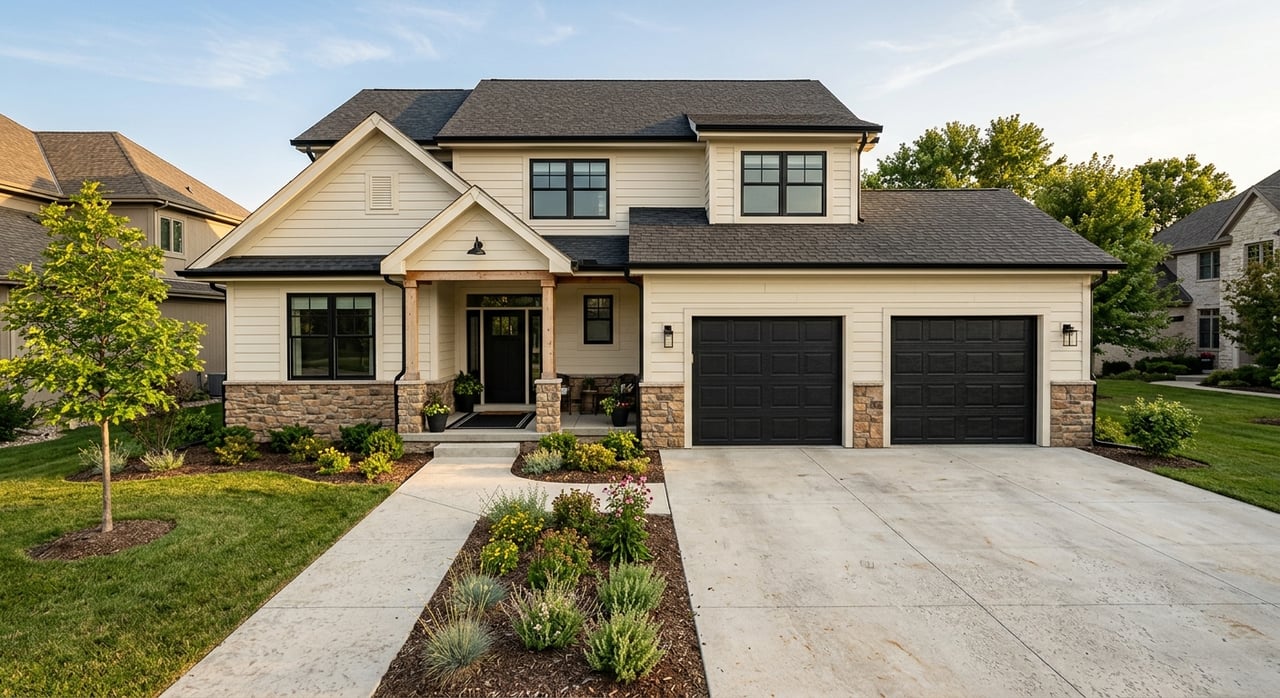
Newer Windsor neighborhoods are often builder-led communities designed around amenities, newer home styles, and a more uniform look. These areas can appeal to buyers who want modern layouts, newer finishes, and neighborhood features that are planned from the start.
RainDance is one example. Its published plan shows a wide range of home options, including lots sized at 55' x 110" or 120", 70' x 110', and even 1-acre custom homesites. The community is located about 2 miles east of I-25 on Crossroads Boulevard and includes multiple builders and planned amenities.
Water Valley is another example of a newer Windsor community. It describes itself as a Northern Colorado new home community and lists features such as five lakes, tennis, a private pool, a fitness center, fishing, boating, kayaking, paddleboarding, and golf.
If you are drawn to newer neighborhoods, these are often the main advantages:
For many buyers, that level of planning creates convenience. You may find it easier to compare homes when the neighborhood design, lot sizes, and community structure are more consistent.
Newer does not always mean simpler. In Windsor, metropolitan districts are often created by developers to finance infrastructure for new subdivisions, and those districts can tax or assess fees for the services they provide.
HOAs matter too. Windsor says HOA membership is typically mandatory when an HOA exists, and community covenants can regulate things like fencing, architectural changes, vehicles, and outbuildings. Water Valley specifically identifies both an HOA and the Poudre Tech Metropolitan District, which shows why buyers should ask detailed questions before making an offer.
A newer home can also come with post-closing to-do items. For example, Water Valley’s design guidelines require approved fencing, drainage controls, and visible back landscaping to be completed within one year of home completion. In practical terms, that means you may still need to budget time and money for yard completion, even if the house itself is brand new.
Windsor’s established core centers around Main Street, Walnut Street, and Elm Street. According to the town’s preservation plan, the original residential neighborhood includes about 140 houses, most dating from the 1880s through the 1920s.
These homes reflect a wide mix of architectural styles, including Queen Anne, Edwardian, Foursquare, Hipped-Roof Box, Gabled-Ell, Craftsman, and Bungalow. That variety gives older parts of Windsor a less standardized look and a more layered sense of place than many newer subdivisions.
Some Main Street residences have also been converted into offices or small service businesses. That helps explain why the historic core can feel more mixed-use and more connected to the activity of downtown.
If you are considering an older part of Windsor, these are often the biggest draws:
Established does not mean overlooked. Windsor’s preservation plan notes that Main Street may still retain enough integrity to function as a historic downtown commercial district, and the town describes downtown Windsor as keeping its small-town scale and many historic commercial buildings.
The town has also invested in access and usability downtown. Its downtown parking plan says more than $2 million has been invested in downtown parking accessibility, and by early 2024 more than 126 parking spaces had been added downtown.
Older neighborhoods come with a different set of questions. Instead of focusing mainly on metro district fees and builder rules, you will usually want to dig into the home’s condition and whether there are any preservation-related restrictions.
Important items to review may include:
Windsor’s preservation plan and homeowners resource guidance make clear that some exterior work, such as fences or additions, may be affected by preservation rules or other regulations. If you love an older home, it is smart to confirm what changes are allowed before you buy.
Here is a simple side-by-side comparison to help you think through the decision.
| Category | Newer Areas | Established Areas |
|---|---|---|
| Neighborhood feel | Master-planned and more standardized | Historic, varied, and less uniform |
| Home styles | Newer plans and finishes | Older homes with architectural variety |
| Amenities | Often built into the community | More connected to downtown and historic core |
| Trees and landscaping | May still be maturing | Often more mature canopy and established lots |
| Governance | HOA and metro district may apply | Preservation or exterior-change rules may apply |
| Buyer focus | Fees, assessments, approvals | Condition, maintenance, and allowed updates |
This comparison does not mean one option is better than the other. It simply shows that each type of area supports a different version of daily life and homeownership.
When you compare Windsor neighborhoods, it helps to think beyond the purchase price and monthly mortgage. The real difference between newer and established areas often shows up in the full cost of ownership.
In a newer neighborhood, you may need to account for HOA dues, metro district assessments, and landscaping completion. In an older neighborhood, you may need to budget for repairs, system updates, insulation improvements, or exterior upkeep.
That is why the smartest buyers ask not just, “Can I afford this house?” but also, “What will it cost to live well here over time?” That question can make your decision much clearer.
If you feel stuck between newer and established areas, start by focusing on your day-to-day priorities. The right fit often becomes clearer when you think about how you want your neighborhood to function, not just how the home looks online.
No matter which direction you lean, it is smart to confirm the details that can affect ownership after closing. In Windsor, that means reviewing:
Those details can shape both your budget and your long-term satisfaction with the home.
On paper, newer and established neighborhoods can both look appealing. In person, the differences are easier to understand. Street feel, lot layout, tree cover, community rules, and the balance between charm and maintenance all become more obvious once you start touring homes.
That is where local guidance can make a real difference. If you are buying in Windsor, it helps to work with someone who can point out the tradeoffs, flag the questions to ask, and help you compare homes based on how you actually want to live.
Whether you are drawn to a newer community with amenities or an older area near downtown, the goal is the same: find a home that fits your budget, your routine, and your long-term plans. If you want help comparing Windsor neighborhoods and narrowing down the right fit, connect with Manuel Puente for local, hands-on guidance.
Stay up to date on the latest real estate trends.
Buying or selling a home is a big step—one you shouldn’t take alone. I combine local expertise, clear communication, and a results-driven approach to help you achieve your real estate goals. Let’s move forward together and make your next chapter a success.